
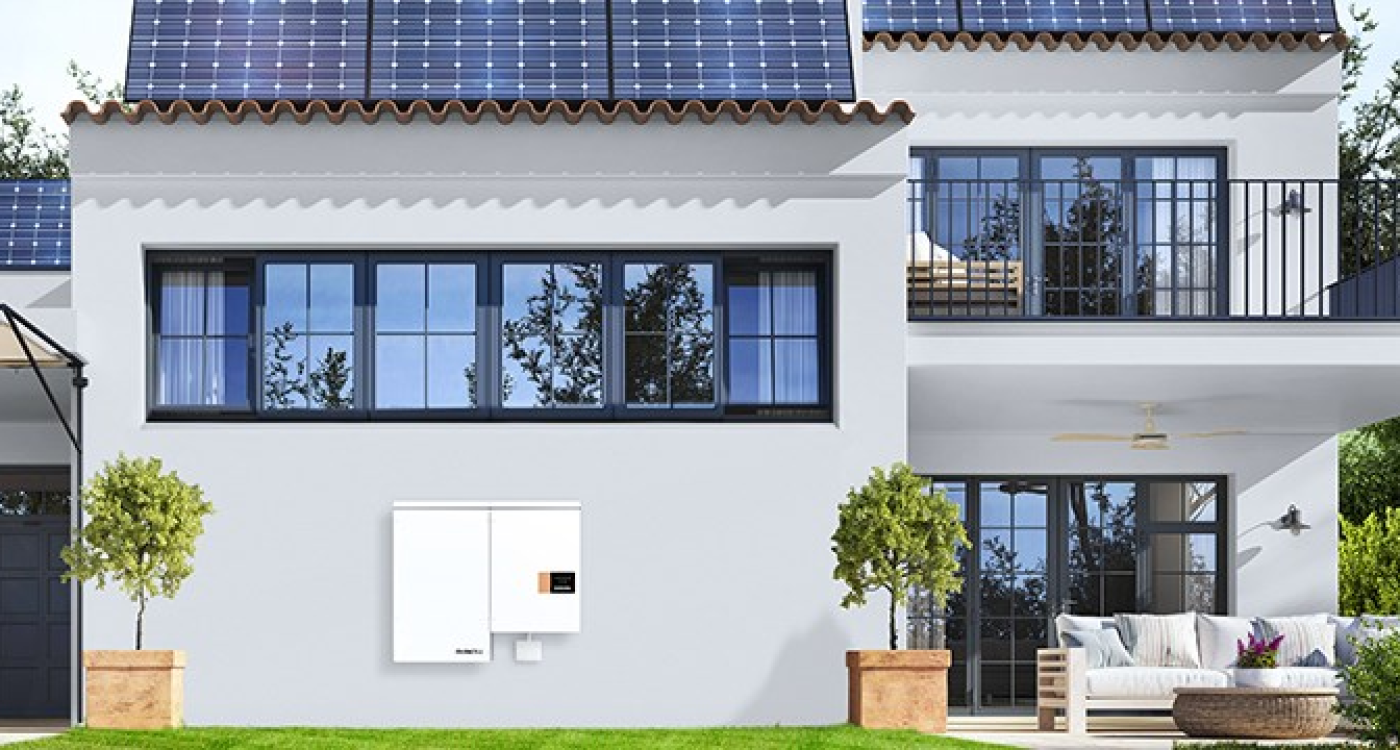
Home energy storage systems are becoming increasingly important, driven by renewable energy and energy efficiency. However, policies and regulations set by governments play a critical role in the adoption and development of home energy storage systems. This article will provide insight into how policies and regulations are affecting the deployment of home energy storage systems and how they are shaping the development of the sector.
Policies encourage renewable energy
Government initiatives in renewable energy policy are critical to the rollout of home energy storage systems. Many countries and regions have created incentive programs, such as solar power subsidies and tax credits, to encourage the adoption of solar PV systems and energy storage technologies in homes. These policies make the cost of solar home energy storage systems more attractive, thereby contributing to market growth.
Grid Energy Interconnection Policies
Some regions have implemented policies to encourage interconnection of home energy storage systems to the electricity grid. This two-way flow of energy allows households to share and trade energy by selling excess power back to the grid. This not only increases the financial return to households, but also contributes to the stability and reliable operation of the grid.
Grid Energy Storage Policies
Some governments are also encouraging home energy storage systems to be used for power reserves in case of emergencies, such as power outages or natural disasters. Such policies require home energy storage systems to meet certain performance standards to ensure reliable operation at critical times. This helps to improve energy reliability and increase the energy independence of households.
Environmental Regulations
The government also imposes requirements on the manufacture and disposal of home energy storage systems through environmental regulations. This includes how waste batteries are recycled and disposed of to minimize adverse environmental impacts. The government may also implement energy efficiency standards to ensure that energy storage systems are energy efficient as required.
Privacy and data security regulations
As home energy storage systems become smarter, they involve data collection and processing. The government may enact privacy and data security regulations to protect the privacy and data security of households. These regulations could mandate that manufacturers of home energy storage systems take steps to protect user data and ensure its lawful use.
Conclusion
Government policies and regulations play a critical role in the home energy storage system sector. They can promote renewable energy, encourage energy sharing and trading, improve energy reliability, and ensure environmental protection and data security. Thus, the adoption and development of home energy storage systems depends not only on technological advances, but is also influenced by government policies and regulations. Over time, these policies and regulations will continue to shape the future of home energy storage systems.